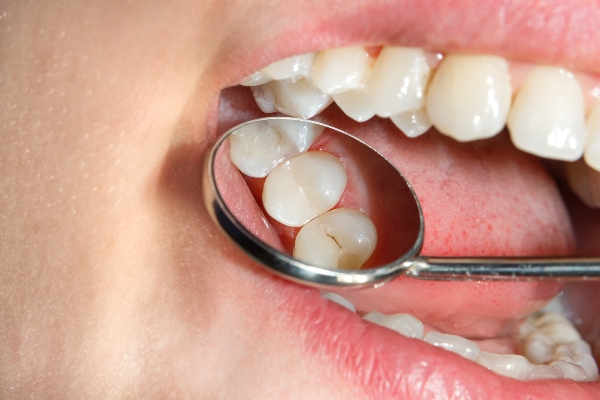
 Tooth decay is one of those dental issues that most people will deal with at some point in their lives. Fortunately, dental sealants are a preventative treatment that can help protect teeth from decay. If you are a parent considering protecting your child’s teeth with sealants, you may be wondering about the process. This article will share a pediatric dentist’s answers to five frequently asked questions about sealants, including what they are and how long they last.
1. What is a dental sealant?
Sealants contain dental-grade plastics to coat teeth surfaces, preventing acids in the mouth from damaging them. These acids form from bacteria that live in the mouth. When these germs consume sugars left over after meals, they excrete acids that cause tooth decay. A pediatric dentist can coat teeth with dental sealants to prevent these acids from contacting teeth surfaces. Sealants are often recommended for teeth in the back of the mouth, like premolars and molars, because they can be more challenging to clean.
2. When are sealants recommended?
Dental sealants protect the teeth of patients of all ages. However, pediatric dentists often recommend them for children’s premolars and molars because they are still learning to clean their teeth properly. A baby tooth falling out prematurely due to decay can lead to alignment issues when it is time for the permanent tooth to erupt.
A pediatric dentist might also recommend dental sealants for a child’s permanent molars to protect them as soon as they erupt.
3. When is the ideal time to protect teeth with sealants?
Sealants are most effective on teeth un-impacted by decay. Attempting to protect an already decayed tooth with sealant can lead to acids and bacteria getting trapped underneath the sealant. This would not stop the progression of decay but rather cause further decay.
4. Is the process painful?
Patients do not feel pain when dental sealants are applied, so local anesthetics are unnecessary. It is a quick procedure that involves cleaning the patient’s teeth and roughening their exteriors with an etching solution. The sealant material adheres better to rough surfaces. The pediatric dentist will paint the sealant on the patient’s tooth, then use ultraviolet light to harden it. The procedure can take as little as 10 minutes.
5. How long do sealants protect teeth?
Dental sealants can protect teeth from decay for up to five years. Good oral hygiene can help increase how long sealants last. Follow-up treatments can be performed as necessary to maintain oral health. Regular checkups help detect worn-down sealants so a pediatric dentist can apply a new one.
Protect your child’s teeth with dental sealants
Sealants are a noninvasive way to protect teeth from decay. Protection from each treatment can last for up to five years. Give us a call or visit our Allendale clinic to set up an appointment with our pediatric dentist. We look forward to helping your child maintain a healthy smile.
Request an appointment or call Bergen County Pediatric Dentistry at 201-312-6937 for an appointment in our Allendale office.
Related Posts
Dental sealants are a preventive treatment that can greatly benefit young children who have just had their permanent molars come through. Sealants can also benefit children with baby teeth, particularly those vulnerable to decay. The following article discusses the numerous benefits of dental sealants for children.Dental sealants for children reduce the risk of dental decay…
Cavities are among the most common dental concerns. Dental sealants are a great way to reduce the risk of cavities in the chewing surfaces of premolars and molars. This article discusses the reasons you should consider dental sealants for your child.The benefits of dental sealants include protection from cavities, an easy and noninvasive application process,…
If your child has recently gotten dental sealants, it is wise to get a toothbrush that cleans the teeth and does not irritate or damage the sealant. The kind of toothbrush that will remove plaque, reach all regions of your child’s mouth and be best for their oral health depends on their particular dental requirements.…