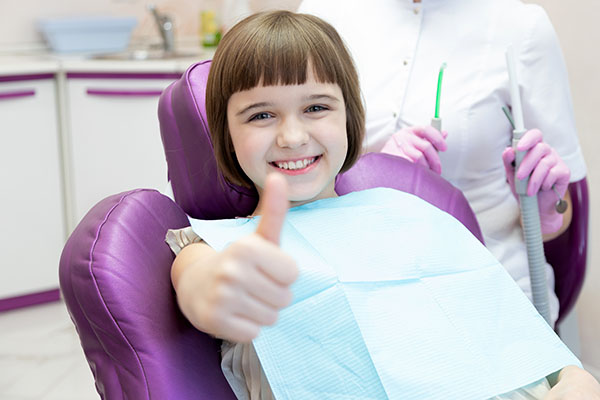
 Your child’s pediatric dentist knows that children are still learning how to hold the brush and be thorough. For children who are starting to brush and floss, doing a good job can be difficult. Your child can get distracted or bored and miss big portions of the mouth. Getting children to floss is even more difficult. You might be unsure how to help your child. Here are some tips from a pediatric dentist about how to achieve success with your child when it comes to brushing and flossing.
Supporting the youngest children
Babies, toddlers, and small children cannot properly brush their own teeth. Parents and caregivers must take an active role in oral health for dental success. It is important to begin dental care when the first teeth appear. The enamel of baby teeth is thinner than permanent teeth, so baby teeth can develop cavities fast.
Babies and the pediatric dentist
In babies, parents can begin an oral health routine by wiping gums and budding teeth with a clean piece of gauze. Diet matters, even with babies. Parents should minimize sugary drinks in babies, including undiluted juices. There are also special brushers that slip over an adult’s finger and help them to massage the gums and clean the first few teeth. Babies can and should see a pediatric dentist before one year of age for a checkup. The pediatric dentist is a great resource for learning baby-appropriate oral care.
Toddlers and oral health
Children at this age are often trying to be independent. Parents can give them toddler-sized toothbrushes so that the kids can practice their brushing skills. But parents should check and supervise brushing. It is important to ensure children do not eat the toothpaste. Children are also likely to miss areas of the mouth, so a parent can watch and encourage them and may need to step in and help. Showing small children how to floss makes it a normal part of the dental care routine.
Older kids and dental health
Children may not remember to make brushing a regular habit. Other interests can distract them, especially if they find dental care boring. Sometimes, children do not like the strong mint taste that many types of toothpaste have. Parents may need to find a different flavor. Fun flavors can encourage brushing, but parents still need to supervise so that children are not swallowing a lot of toothpaste.
Technique is important. Parents can encourage children to hold the brush at a 45-degree angle. Children should brush the whole tooth from the gumline to the top, front, and back. Children tend to rush through. Parents should remind them to slow down. Some parents use songs or timers to help children spend the appropriate amount of time cleaning their teeth.
The pediatric dentist as an oral health partner
Regular reminders and providing the right tools are essential in supporting good oral hygiene for your child. If you struggle with regular flossing, then your child may as well. Practice makes perfect. Sometimes, special flossers can help your child reach inside the mouth more easily. Partnering with your child’s pediatric dentist is a great way to start your child’s oral health journey right.
Request an appointment or call Bergen County Pediatric Dentistry at 201-312-6937 for an appointment in our Allendale office.
Related Posts
When parents hear that the kids need to have a root canal, their minds begin to race. Why do the kids need this procedure? Isn’t the root canal painful? Is there no other way to save the tooth? Why did it happen in the first place? Parents might have to look at the family’s eating…
You will be surprised how early orthodontic treatment, including teeth straightening, can solve childhood dental problems. Crooked teeth, overcrowding, and tooth decay are some of the issues children face early in life. These days, parents have finally realized the importance of proper dental health. They know how it can affect the kids’ well-being.Teeth straightening is…
A pediatric dental emergency often triggers panic in the children themselves and some parents. Keeping your peace of mind is important during this crisis. Comforting the child is a priority and can make the trip to the pediatric dentist easier. Here are the details if you want to know more about the common kids' dental…