How a Pediatric Dentist Creates a Kid Friendly Atmosphere
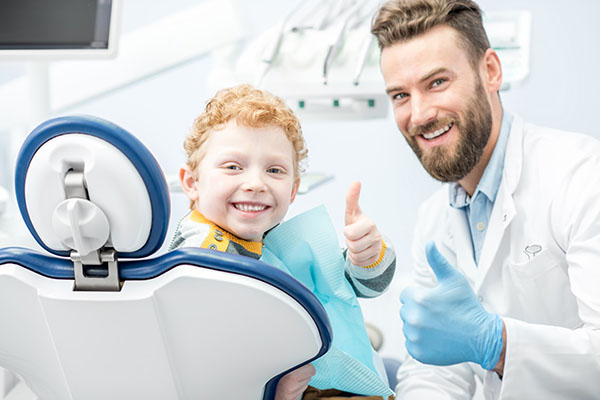 It is a challenge for any pediatric dentist to make children comfortable in the dentist’s clinic. Dentists have to find ways to turn the dental treatment room into a comfortable place for kids. This is vital because many children have anxiety toward the pediatric dentist. If you want to know how a pediatric dentist turns a dental treatment room into a kid-friendly area, here are the details.
Creating a calm environment
Any pediatric dentist aims to have happy clients coming in and going out of the clinic. Accomplishing this is possible by making the establishment calm and inviting. Placing toys, games, and kid-friendly TV shows allows the kids to feel more at ease or even excited. There is nothing more encouraging to a pediatric dentist than to see kids happy in the clinic. Other elements contribute to making a space calm for children.
Several practices have waiting rooms with large flat-screen televisions that play cartoons. These clinics have a reading and drawing corner. Most of the books there are all about happy dental procedures. The graphic posters explain how an appointment happens. The area also has computer tablets with kid-friendly games in them. These will keep kids busy while waiting for their turn.
Having an innovative, relaxing, and entertaining treatment room
A pediatric dentist wants a treatment area that can put children at ease. That is why many clinics place essential oil diffusers in the treatment room. This is a natural way to lower the anxiety of the young patients as they sit in the treatment chair. Essential oils like lavender enhance mood and lower stress. These oils also have antiviral and antibacterial properties that can lower infections during and after the procedure.
Studies show that LED lighting in any space can decrease anxiety and improve mood. This can help during the winter season. Adding an LED TV that plays kid-friendly cartoons and programs can build a familiar environment. Cartoons can make kids feel that their favorite heroes are there with them during dental treatments.
Using the wand anesthesia
The needle is always a child’s enemy. This has prompted the creation of an injection technique that involves a computer-assisted single tooth anesthesia injection system. The speed at which the anesthesia enters is slower than traditional anesthesia. That is why it does not hurt that much to a child.
Using kid-friendly terms
Changing different dental terms into kid-friendly words can help make the patient feel more at ease. This is an effective way to involve the child in the treatment. The pediatric dentist can call the suction tube a straw. The water sprayer can be the squirt gun.
A pediatric dentist can turn the dental clinic into a relaxing place for kids
Many kids suffer from anxiety when it comes to dentists. That is why creating a dental clinic for kids can be challenging. A pediatric dentist can use technology and nature in transforming the treatment space into one that is friendlier to kids. Searching for a kid-friendly dental practice can change the way your child perceives dental care.
Request an appointment or call Bergen County Pediatric Dentistry at 201-312-6937 for an appointment in our Allendale office.
Related Posts
When parents hear that the kids need to have a root canal, their minds begin to race. Why do the kids need this procedure? Isn’t the root canal painful? Is there no other way to save the tooth? Why did it happen in the first place? Parents might have to look at the family’s eating…
You will be surprised how early orthodontic treatment, including teeth straightening, can solve childhood dental problems. Crooked teeth, overcrowding, and tooth decay are some of the issues children face early in life. These days, parents have finally realized the importance of proper dental health. They know how it can affect the kids’ well-being.Teeth straightening is…
A pediatric dental emergency often triggers panic in the children themselves and some parents. Keeping your peace of mind is important during this crisis. Comforting the child is a priority and can make the trip to the pediatric dentist easier. Here are the details if you want to know more about the common kids' dental…