How Dental Sealants Can Protect Your Child’s Teeth
Dental sealants are thin coatings that are applied to the chewing surfaces of the back teeth to prevent decay. Grooves and pits in these teeth make them susceptible to cavities because they may collect food and bacteria. Sealants for the teeth are an easy and painless technique to protect young ones' teeth from decay. This article explains how dental sealants work and why you should consider getting them for your child’s teeth.
Benefits of dental sealants for children
Dental sealants act as a shield against cavities. They fill in the fissures and ridges of the teeth used for chewing, where bacteria and food may get stuck and cause decay. Patients can enjoy the benefits of dental sealants for up to four years after a single application (Centers for Disease Control). Compared to other restorative dental operations, such as fillings or crowns, they are also more cost-effective.
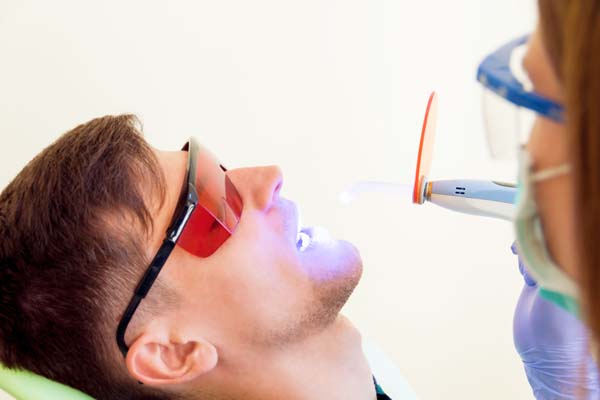
The application of dental sealants causes no discomfort. There is no need for a drill or anesthesia, and the procedure itself takes very little time. After thoroughly cleaning and drying the teeth, the sealant substance is painted onto the tooth surfaces and hardened using a special light.
How dental sealants work
When applied to teeth, dental sealants protect enamel against decay-causing bacteria. The sealant is a resin that, once applied, seeps into the fissures and pits of the teeth's chewing surfaces, hardening into a protective barrier.
The rear teeth (molars and premolars) are the most typical targets for dental sealants since they do most of the chewing. These teeth are more prone to cavities because they contain deep pits and grooves that are difficult to clean with a toothbrush. The dentist can place dental sealants on either primary or permanent molars. Most people get them between the ages of six and 14 when their permanent teeth have just begun to come in.
The procedure for dental sealants
It is a simple and painless process. The preparation involves cleaning and drying the tooth or teeth which requires sealing. The chewing surface of the tooth is etched by using a specific gel to make it rough, which improves the sealant's ability to adhere to the tooth.
The dentist will rinse off the gel and let the tooth dry. The sealant is painted onto the tooth and then hardened with a light. The procedure is painless and non-invasive since no tooth structure has to be drilled away. With care and frequent dental checkups, sealants may protect teeth for several years.
The bottom line
Dental sealants are a popular method for preventing tooth decay in children. Dental sealants may provide your kid with a solid foundation for a lifetime of good oral hygiene.
They are typically less expensive than having a cavity filled and provide protection for your teeth. Dental sealants may protect your child's molars from decay and other oral health issues, so you should think about getting them for your child if you have not already. If you are concerned about your child's oral health, you should discuss getting dental sealants with your dentist.
Request an appointment here: https://bergencountypediatricdentistry.com or call Bergen County Pediatric Dentistry at (201) 312-6937 for an appointment in our Allendale office.
Check out what others are saying about our dental services on Yelp: Dental Sealants in Allendale, NJ.
Related Posts
Dental sealants are plastic coatings that are painted over the chewing surfaces of teeth further back in the mouth (molars and premolars). They reduce the risk of cavities. However, protecting the sealants and further reducing your child’s risk of tooth decay also requires limiting the consumption of or avoiding certain foods.The most common foods that…
Dental sealants are a preventive treatment that can greatly benefit young children who have just had their permanent molars come through. Sealants can also benefit children with baby teeth, particularly those vulnerable to decay. The following article discusses the numerous benefits of dental sealants for children.Dental sealants for children reduce the risk of dental decay…
Cavities are among the most common dental concerns. Dental sealants are a great way to reduce the risk of cavities in the chewing surfaces of premolars and molars. This article discusses the reasons you should consider dental sealants for your child.The benefits of dental sealants include protection from cavities, an easy and noninvasive application process,…
If your child has recently gotten dental sealants, it is wise to get a toothbrush that cleans the teeth and does not irritate or damage the sealant. The kind of toothbrush that will remove plaque, reach all regions of your child’s mouth and be best for their oral health depends on their particular dental requirements.…