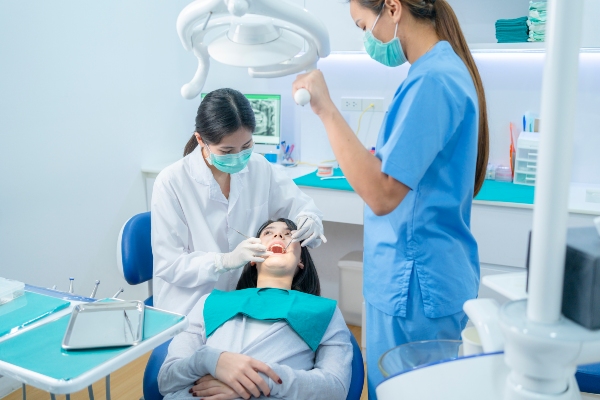
 If a cavity develops and worsens, it could lead to the risk of a dental emergency due to an infection or severe discomfort. Dental sealants significantly reduce the risk of a dental emergency by helping to prevent cavities in vulnerable areas of teeth. Read on to learn how dental sealants can prevent a dental emergency in your child.
What is the purpose of dental sealants?
Dental sealants are thin plastic coatings that a dentist applies during an in-office procedure. The purpose of dental sealants is to protect the chewing surfaces of premolars and molars from tooth decay. They are commonly used for children who still have their primary teeth or have recently grown their permanent teeth and need to protect them from dental decay.
Dental sealants for cavity and dental emergency prevention
Many pediatric dentists recommend dental sealants for children between six to 14 years of age. They are especially important for the molars since they often have deep grooves and pits where plaque can be easily trapped.
What is a dental emergency?
In addition to reducing the risk of dental decay, dental sealants also reduce the risk of a dental emergency. An oral health concern requiring prompt attention from a dental professional is considered a dental emergency. Dental trauma (such as damage to the mouth during an auto accident) is one form of a dental emergency. However, an oral infection or severe cavity that damages the root of a tooth may also be considered an emergency.
How can dental sealants reduce the risk of a dental emergency?
Dental sealants reduce the risk of a dental emergency by protecting the grooves of molars and premolars from decay. If decay develops in these vulnerable areas and remains untreated, it can lead to an oral infection or deep decay that damages the root of a tooth. This damage can lead to severe pain and sensitivity. Early tooth loss could cause issues for children whose teeth are still developing, leading to the improper eruption of permanent teeth.
How can my child take care of their dental sealants?
Staying vigilant in the care of dental sealants through good at-home oral hygiene (brushing and flossing) and limiting sugar and carbohydrate consumption is important. This will require efforts from both children and their parents. Otherwise, cavities can still occur in other parts of teeth, and the sealants can wear down prematurely and leave molars and premolars vulnerable. Vulnerability opens the door to decay, infection, and trauma of the tooth, leading to time and money-consuming treatments.
Are dental sealants right for your child?
We hope you have found this article informative. Schedule a visit with our pediatric dentist and team today if you are considering dental sealants for your child. Dental sealants are a great way to protect teeth from cavities and dental emergencies. If you have more questions, contact us. Our team can walk you and your child through each step of the dental sealant process.
Request an appointment or call Bergen County Pediatric Dentistry at 201-312-6937 for an appointment in our Allendale office.
Related Posts
Dental sealants are plastic coatings that are painted over the chewing surfaces of teeth further back in the mouth (molars and premolars). They reduce the risk of cavities. However, protecting the sealants and further reducing your child’s risk of tooth decay also requires limiting the consumption of or avoiding certain foods.The most common foods that…
Dental sealants are a preventive treatment that can greatly benefit young children who have just had their permanent molars come through. Sealants can also benefit children with baby teeth, particularly those vulnerable to decay. The following article discusses the numerous benefits of dental sealants for children.Dental sealants for children reduce the risk of dental decay…
Cavities are among the most common dental concerns. Dental sealants are a great way to reduce the risk of cavities in the chewing surfaces of premolars and molars. This article discusses the reasons you should consider dental sealants for your child.The benefits of dental sealants include protection from cavities, an easy and noninvasive application process,…