How Kids Mouthguards Are Customized to the Patient
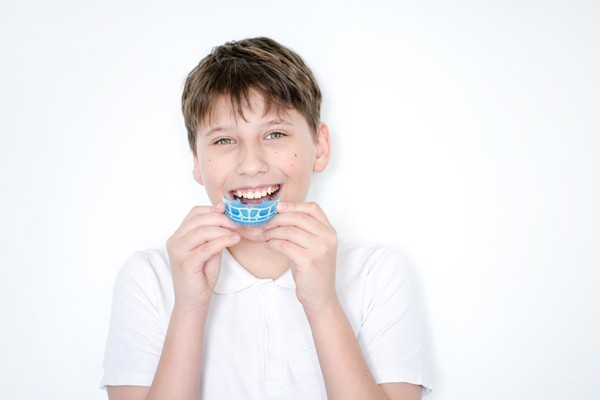
Does your child engage in sports or other physical activity? Custom kids mouthguards provide an effective way to prevent potential injuries and protect their growing teeth. Unlike generic options, custom mouthguards are specifically made to fit your child's unique dental structure, offering protection and comfort while protecting their long-term oral health.
The importance of customization in kids mouthguards
Children's mouths are continually changing as they get older. Off-the-shelf mouthguards come in standard sizes, which can make them too loose, bulky, or uncomfortable. Ill-fitting guards can also interfere with breathing and speech, reducing the child's willingness to wear them consistently.
In contrast, customized kids mouthguards are made specifically for each patient. The pediatric dentist designs them to fit perfectly over the child's teeth and fit their unique jaw alignment. This personalized approach helps ensure that the mouthguard provides the necessary protection from potential dental injuries.
The benefits of customized kids mouthguards
Customized mouthguards offer several advantages over generic or store-bought models. Some of the most commonly-cited benefits include:
- Superior protection: The precise fit distributes impact evenly across the teeth, reducing the risk of fractures and concussions.
- Improved comfort: Custom kids mouthguards are thinner and less bulky than generic store-bought versions, allowing for easier breathing and speech during physical activity.
- Durability: Professionally made mouthguards consist of high-quality materials that last longer than stor
- Better patient compliance: Children are more likely to wear a mouthguard that feels comfortable and looks appealing.
Custom kids mouthguards also prevent damage that could require costly dental treatments in the future.
What to expect from the customization process
Step 1: Evaluation and consultation
The process begins with an evaluation by a pediatric dentist. During this visit, the dentist examines the child's teeth, gums, and bite alignment. The goal is to determine the most appropriate design for the mouthguard based on the child's unique needs. The dentist will also ask questions about the type of sports or physical activities the child participates in. Contact sports such as football, basketball, and hockey may require more robust protection than non-contact sports. The evaluation helps identify dental conditions such as braces, overbites, or missing teeth that could influence the design of the mouthguard.
Step 2: Taking dental impressions
Once the pediatric dentist decides a customized kids mouthguard will fit the child's needs, they take an impression of the teeth. This impression, whether made with traditional dental putty or a digital scanner, captures the exact shape of the child's teeth, gums, and oral structure. Digital scanning is quicker and more comfortable for children. As a result, the impression ensures a snug fit for the mouthguard, which prevents slipping and irritation.
Step 3: Designing and fabricating the mouthguard
After the dental impression is complete, the pediatric dentist sends the mold or scan to a dental laboratory, which creates the customized mouthguard. The fabrication process typically involves layering high-quality, medical-grade thermoplastic materials to achieve the desired thickness and flexibility. Some children may also prefer added design features, such as their team color, logos, or initials. The laboratory's precision ensures the finished product matches the child's dental impression as closely as possible, creating a snug, comfortable fit.
Step 4: Fitting and adjustments
Once the customized kids mouthguard is ready, the child returns for a fitting appointment where the dentist ensures the mouthguard fits properly and comfortably. If needed, the dentist may make minor adjustments. They will also explain cleaning and storage methods to maintain hygiene and extend the mouthguard's lifespan.
Maintenance and replacement
Proper care extends the life of a custom mouthguard. Parents should teach their child how to rinse it with cool water or a mild antiseptic solution between each use. Periodic brushing with a soft toothbrush and mild soap helps remove remaining debris. After thoroughly cleaning it, kids should store their mouthguard in a ventilated container to prevent bacterial growth.
Additionally, parents should monitor the mouthguard for signs of wear, such as tears, cracks, or warping, and schedule replacements when needed. Due to children's teeth and jaws developing rapidly, they may need a new mouthguard every sports season or school year to maintain a proper fit.
Call our Allendale office to schedule an appointment
Custom kids mouthguards are an important investment in your child's dental safety and overall well-being, providing the best possible comfort and protection. The Bergen County Pediatric Dentistry team is dedicated to keeping your child's smile safe when they have fun participating in their favorite physical activities. Schedule an appointment at our Allendale office to get started.
Request an appointment here: https://bergencountypediatricdentistry.com or call Bergen County Pediatric Dentistry at (201) 312-6937 for an appointment in our Allendale office.
Check out what others are saying about our services on Yelp: Read our Yelp reviews.
Related Posts
A kids dentist, formally known as a pediatric dentist, helps set the foundation for kids oral health. While they are a pillar in setting the trajectory of a young patient's relationship with their oral hygiene and dental visits, they primarily focus on preserving the integrity of the teeth and surrounding structures. Through various methods, a…
Visiting a kids dentist provides numerous benefits for children, especially when they go early and frequently throughout their lives. These dentists see patients ranging from toddlers whose first teeth have just erupted to teenagers ready to graduate to a family dentist.Choosing a kids dentist early in life equips children with the knowledge and habits that…
A kids dentist can prevent, treat, and reverse gum disease. Through comprehensive dental treatments, they can address the bacterial buildup that contributes to the earliest stage of gum disease, also known as gingivitis. Comprehensive gingivitis treatments may involve deep dental cleanings, enhanced oral hygiene, and other approaches. The goal is to effectively treat and reverse…
A kids dental specialist plays an important role in your child’s development. Proper dental care can give your child a strong and lasting foundation for oral health. This dental care provider can educate your child about dental hygiene. Knowing how a kids’ dentist can enhance your child’s oral health can motivate you to bring your…