Is My Baby Teething? Here are Some Signs from a Pediatric Dentist Office
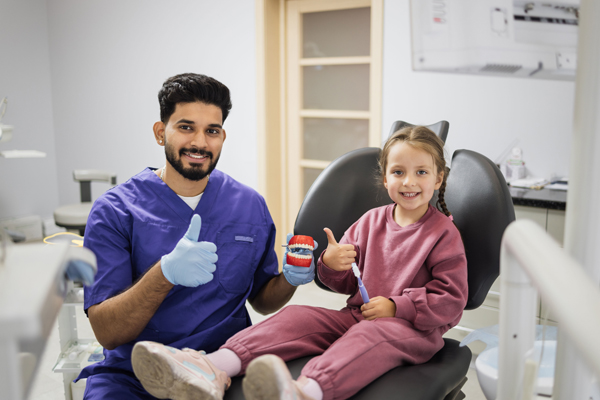
Contact a pediatric dentist’s office to gain helpful insights about baby teething. There is no question that parenting comes with an abundance of joy. It also means dealing with cranky infants as their teeth begin to erupt. However, a fussy baby can indicate any number of things. With the signs provided by your pediatric dentist, you will have a much better idea if teething is the culprit or not.
Tiny teeth need help from a pediatric dentist
As adults, it is hard to imagine how something so small could cause such a ruckus. However, for a small infant, teething proves painful. A fussy baby is a good indicator that the problem is nothing more than teething. Even so, it is better to be sure by speaking with the child’s pediatric dentist when noticing specific signs. Remember, every child is different. Some start teething as early as two months, while for others, the first tooth does not appear until six months.
Telltale signs of teething
Studies show that babies start teething at about six months. By this time, the baby will start losing the natural immunities that the mother gave the baby through the placenta. The baby’s immature immune system is starting to work on its own. The baby will start to become vulnerable to some infections. That is why it is important to be aware of symptoms such as flu and cold that may occur with the following teething signs:
- Biting is a way for babies to soothe their gums while teething happens. Whether on a teething ring, the remote control, or a shoe, when starting to teethe, babies tend to gnaw on anything in an effort to ease the discomfort.
- Poor appetite may also occur. A pediatric dentist will advise parents to expect a loss of appetite.
- Excessive drooling is one of the first signs of teething, which can lead to diarrhea.
- Some babies may suck more. Babies do this to alleviate pressure on the gums.
- Mouth rashes may appear because of teething. Because of constant drooling, most babies develop a slight red rash around the mouth and chin and on the chest area.
- Trouble sleeping may occur in teething babies. Due to the pain, babies going through the teething process usually have trouble falling asleep.
- Pulling on the ears is also a sign of teething. A baby’s pediatric dentist would also advise the parents to watch for ear pulling, which helps reduce the pain of sore gums.
- Fever may develop in teething babies. Anything more than 110.4 degrees Fahrenheit calls for a trip to the pediatrician.
- Irritability and teething go hand in hand due to pain, discomfort, and, in some instances, a fever.
- Swollen gums are also a sign of teething. This happens as teeth try to push their way through the surface.
- Diarrhea may happen in some babies as well. The excessive saliva production during teething may result in loose stool. But the doctor must confirm that this problem is from teething and not from a more serious form of infection. Watery stool with a high fever may increase the baby’s risk for dehydration.
Caring for baby teeth
Once the baby teeth erupt, parents must know how to take good care of them. Healthy baby teeth often give way to healthy permanent teeth. Proper dental care starts by imitating the parents. Below are some tips on how to care for baby teeth:
- Good dental care starts even before the teeth erupt. Wiping the baby’s gums with a damp, clean gauze or washcloth is a gentle way to remove milk particles. An infant toothbrush can also do the job.
- Using a pea-sized amount of fluoride toothpaste can help fight bacteria once the child turns three years old. Telling the child to spit the excess toothpaste is important. This will prevent the child from taking in more fluoride than necessary.
- Giving the baby water instead of milk or juice during bedtime can prevent plaque and tartar formation. This will keep the baby teeth from developing cavities.
- Teaching the child how to brush properly is an important part of dental care. The parent can do this for the baby at first. Brushing teeth with the child can give the child the opportunity to imitate the right techniques.
- Bringing the child to the dentist for regular checkups can detect any problem early. This can give way to early treatments as well.
Understanding the signs of teething can result in healthy permanent teeth
Baby teeth will start to erupt early in life. Parents should be aware of this physical change. If you are prepared for teething, you and your child can have a smooth teething experience together. Seeing your pediatric dentist regularly can also guide you along the way.
Request an appointment here: https://bergencountypediatricdentistry.com or call Bergen County Pediatric Dentistry at (201) 312-6937 for an appointment in our Allendale office.
Check out what others are saying about our dental services on Yelp: Pediatric Dentist in Allendale, NJ.
Related Posts
When parents hear that the kids need to have a root canal, their minds begin to race. Why do the kids need this procedure? Isn’t the root canal painful? Is there no other way to save the tooth? Why did it happen in the first place? Parents might have to look at the family’s eating…
You will be surprised how early orthodontic treatment, including teeth straightening, can solve childhood dental problems. Crooked teeth, overcrowding, and tooth decay are some of the issues children face early in life. These days, parents have finally realized the importance of proper dental health. They know how it can affect the kids’ well-being.Teeth straightening is…
A pediatric dental emergency often triggers panic in the children themselves and some parents. Keeping your peace of mind is important during this crisis. Comforting the child is a priority and can make the trip to the pediatric dentist easier. Here are the details if you want to know more about the common kids' dental…
Every parent dreads making an appointment for their little ones' first dental visit. None of us like to go to the dentist, no matter our age. However, look at it from their point of view. They don't know anything about the dentist, and they will feel the emotions that you show.As a parent, you want…