Kids Dental Crowns: Metal Allergies and Other Concerns
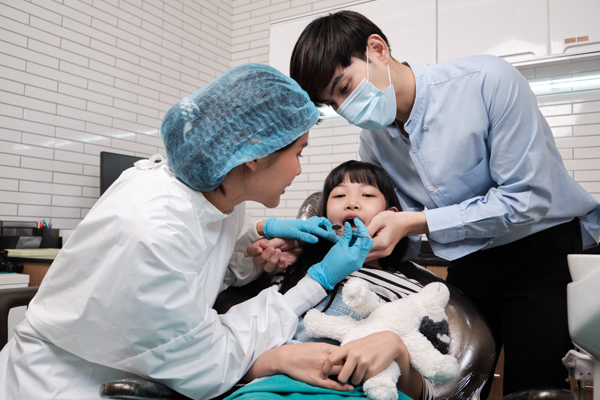
Pediatric dentists recommend kids dental crowns when a child's tooth sustains too much damage from decay or trauma to support a traditional filling. These crowns protect the tooth, restore function, and maintain proper spacing for their permanent teeth. However, despite their benefits, there are concerns regarding materials used in crowns and the potential for metal allergies.
Common materials used in kids dental crowns
Kids dental crowns are manufactured from various materials, each with its own set of advantages and drawbacks. The most common types include:
- Stainless steel crowns: Durable, affordable, and widely used in pediatric dentistry. They are ideal for primary molars that will eventually fall out.
- Zirconia crowns: Tooth-colored and aesthetically pleasing, often selected for front teeth or in cases where appearance is a priority.
- Composite resin crowns: Less durable than zirconia or stainless steel, but they can offer a balance between appearance and cost.
Stainless steel crowns remain the most commonly used type for children, largely due to their strength and cost-effectiveness. However, allergies have been becoming more prominent as awareness grows regarding children's sensitivity to materials containing metal.
Understanding the risks of metal allergies
While metal allergies in children are relatively rare, they are a valid concern for those considering stainless steel crowns. Most stainless steel crowns contain nickel, which is one of the most common metals associated with allergic reactions. Children with a known sensitivity to nickel may experience local irritation, inflammation, or systemic symptoms if exposed to the metal over time.
Typical signs of a nickel allergy may include:
- Persistent pain without other identifiable dental issues
- Swelling or bleeding in the surrounding gum tissue
- Itching or redness near the crown
- Rashes and skin changes
- Headaches
- Nausea
- Fatigue
It is important to discuss a child's history of metal allergies with the pediatric dentist before selecting a crown material.
Alternatives for children with metal allergies
Several alternatives to stainless steel crowns are available for children with known or suspected metal allergies. These include zirconia and resin crowns. Zirconia crowns are composed of a biocompatible ceramic material free from metals. These kids dental crowns do not pose the risk of allergic reactions and are durable, making them suitable for both front and back teeth.
While less durable than stainless steel and zirconia crowns, resin-based crowns are ideal when cosmetic appearance and allergies are a concern. However, they may require more frequent replacement due to wear and tear. Selecting a type of crown should involve carefully considering the child's allergy history, dental condition, and lifestyle factors such as diet and oral hygiene habits.
Concerns with kids dental crowns
Durability and longevity
Stainless steel crowns typically last until the natural tooth falls out, which makes them ideal for temporary solutions. Meanwhile, zirconia crowns are more fragile than metal alternatives. However, they can offer durability when properly placed. Resin crowns, though cost-effective, may require replacement sooner due to the risk of wear and discoloration.
Appearance
The shiny metallic finish of stainless steel crowns can concern parents who value a more natural look for their child's appearance, particularly for front teeth. Zirconia and resin crowns offer a tooth-colored appearance. This makes them a preferred option for children struggling with a visible dental restoration affecting their smile.
Discomfort from the procedure
The process of placing a dental crown typically involves removing decayed areas and shaping the tooth to fit the crown. While this procedure is standard, it can cause some discomfort, especially for younger children or those with dental anxiety. The pediatric dentist will use a local anesthetic to numb the area to ensure they feel no discomfort during the procedure.
How to decide on the right kids dental crown
The decision to place a dental crown in a child's mouth should be based on a thorough discussion between their caregiver and the pediatric dentist. Important points to address include the history of allergic reactions to metals, cosmetic preferences, financial considerations, and the longevity of the different crown materials. Nevertheless, choosing the right kids dental crown can significantly impact the child's comfort, health, and confidence.
Get a kids dental crown at our Allendale office
Kids dental crowns are important for keeping children's teeth healthy while they are growing up. With the right assessment and consultation, you can choose the best crown to ensure your child feels comfortable and confident showing off their smile. Call our Allendale office to learn more about our kids dental crown options or to schedule a consultation.
Request an appointment here: https://bergencountypediatricdentistry.com or call Bergen County Pediatric Dentistry at (201) 312-6937 for an appointment in our Allendale office.
Check out what others are saying about our dental services on Yelp: Pediatric Dentist in Allendale, NJ.
Related Posts
Many young children have a sweet tooth and enjoy sugar-filled treats. However, pediatric dentistry professionals recommend limiting sweets for children, especially sugary beverages. Making a habit of consuming these types of drinks can be harmful to a child's dental and overall health.Sugar plays a major role in tooth decay and can lead to significantly more…
When your child has a dental emergency, a visit to a pediatric dentistry office is likely necessary. Most pediatric offices are well equipped to handle serious dental injuries. In fact, taking your child to see their regular dentist can be very beneficial. Your child can feel more at ease than they would in a new…
Though rewarding, parenting is often difficult. One of the most difficult aspects of parenting that you will encounter early in your child’s life is teething. Fortunately, a pediatric dentistry professional can help you understand what to expect and, more importantly, give you advice on how to ease your child’s pain during this challenging time in…
Pediatric dentistry focuses on diagnosing, preventing, and treating oral health concerns in children who still have their baby teeth. This review closely examines what parents and the pediatric dentistry team can do to protect baby teeth from cavities, dental trauma, and other forms of damage.Caring for baby teeth should involve brushing and flossing regularly, limiting…