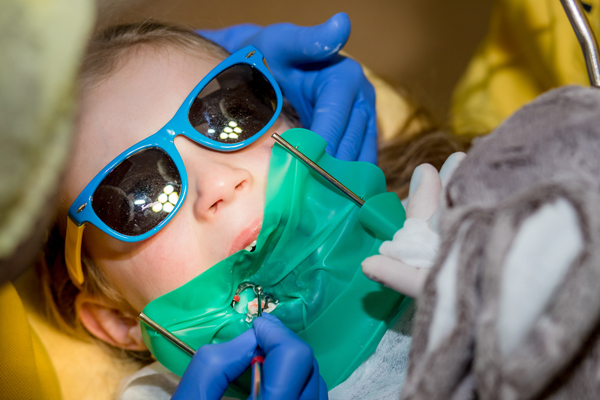
Pediatric Tooth Extractions: A Guide for Parents on Healing and Care
While dentists aim to preserve natural teeth, are sometimes necessary. This can result from severely decayed teeth, addressing crowding, or making space for incoming permanent (adult) teeth. While the thought of tooth extractions can be concerning for parents, understanding the process and how to care for your child post-procedure can help ensure a smooth healing process.
Reasons for needing pediatric tooth extractions
Dentists perform pediatric tooth extractions as a last-ditch effort to preserve the health of the entire mouth. The most common reasons that drive pediatric dentists to this conclusion include:
- Severe decay infection. When a tooth has extensive decay, and the dentist cannot address it with a restorative, extraction may be necessary to prevent the spread of infection to other tissues.
- Orthodontic preparation. If there is crowding or the child requires orthodontic planning, such as making room for permanent teeth, extractions may be necessary.
- Impacted teeth. A tooth that becomes fully or partially trapped under the gum line can lead to pain, infection, misalignments, and require extraction.
- Trauma or injury. Severely damaged teeth may need an extraction if the dentist cannot repair them with traditional restoratives like a dental crown, fillings, or bonding.
Understanding the reason for the extraction can help parents and patients, depending on their age, better prepare for the procedure.
Types of pediatric tooth extractions
A dentist will consider two types of pediatric tooth extractions: simple and surgical. A simple tooth extraction is the preferred method, especially for children. It involves removing the problem tooth from the socket by moving it back and forth with dental forceps, negating the need for stitches. On the other hand, a surgical extraction requires the pediatric dentist to create an incision in the gum line to release the tooth from its socket before suturing the area.
Parents should note that their child will not feel pain during either extraction type due to the employment of anesthesia. At most, they may feel a certain level of pressure. However, following post-extraction guidelines is essential to reduce the risks of complications and encourage a successful recovery.
Post-extraction care tips
Following either type of pediatric tooth extraction, the dentist will provide patients with appropriate aftercare instructions to promote healing. These may include:
Medication management
As previously mentioned, children will not feel pain during the procedure. In fact, they will not feel pain for a few hours following either. However, pain is expected once the anesthesia wears off. Therefore, the pediatric dentist may prescribe pain medication, which should be taken as directed. Parents should note that children should not be in charge of taking their own medication but only under their close supervision to prevent complications.
Managing bleeding and swelling
Regardless of the type of pediatric tooth extraction, slight bleeding is normal. To control bleeding, children should keep a gauze pad over the extraction site while gently biting down on it for at least 20 minutes. Further, applying a cold compress to the outside of the cheek near the extraction site can also help reduce swelling.
Encourage rest
Just like after any procedure involving anesthesia, rest is essential. Further, children will want to decrease their physical activity within the days following the procedure to reduce the risk of increased bleeding. Quiet activities such as reading, coloring, or watching their favorite shows can help them stay calm and allow their body to focus on healing.
Monitor diet
Following the extraction, children must adopt a lightly seasoned, soft diet. For the first few days, parents should purchase applesauce, yogurt, mashed potatoes, or soup. Ensure the food is not too hot, and the child should not be allowed to use a straw. Both of these factors can disrupt the blood clot and increase bleeding. Additionally, children should increase their water intake to stay hydrated.
Oral hygiene adjustments
Lastly, while oral hygiene should be maintained after the extraction, it will be altered slightly. For the first 24 hours, the dentist will permit rinsing the mouth with a warm saltwater mixture. However, patients should avoid using oral tools around the extraction site until healing is complete. Further, avoiding an alcohol-based or abrasive oral care product until completely healed will be beneficial.
Call us for more information
Pediatric tooth extractions are a common procedure to promote better oral health for children. By following post-extraction care instructions and monitoring your child's healing, you can ensure a smooth recovery. For more information or to schedule your child's extraction appointment, contact Bergen County Pediatric Dentistry today.
Request an appointment here: https://bergencountypediatricdentistry.com or call Bergen County Pediatric Dentistry at (201) 312-6937 for an appointment in our Allendale office.
Check out what others are saying about our dental services on Yelp: .
Related Posts
Tooth pain, swelling, or delayed tooth loss can raise concern for many parents, and sometimes, tooth extraction becomes the best solution. While pediatric dentists strive to preserve a child's natural teeth whenever possible, certain oral health challenges require prompt removal to protect long-term function and development. Recognizing when a child may benefit from extraction helps…
Children are often susceptible to oral health concerns such as childhood cavities and gum disease. Additionally, performing restorative treatment on baby teeth is not ideal as it can become costly for parents. Subsequently, much of the focus in pediatric dentistry is on the prevention of oral health concerns through preventive dental care.It is important for…
Dental sealants are plastic coatings that protect teeth surfaces from decay. Since children are highly susceptible to cavities, pediatric dentists often recommend sealants to protect molars and premolars upon eruption. If you are considering this preventive treatment for your child, read on to learn more about the pros and cons of dental sealants.Tooth decay is…
Parents should focus on cavity prevention tips for the babies as early as possible. Preventing cavities should start at a young age. Bring your babies to a pediatric dentist the moment they start eating solid food. The dentist will then give you advice on how to take care of your kids’ oral and dental health.Cavities…