The Benefits of Digital X-Rays for Pediatric Dentistry
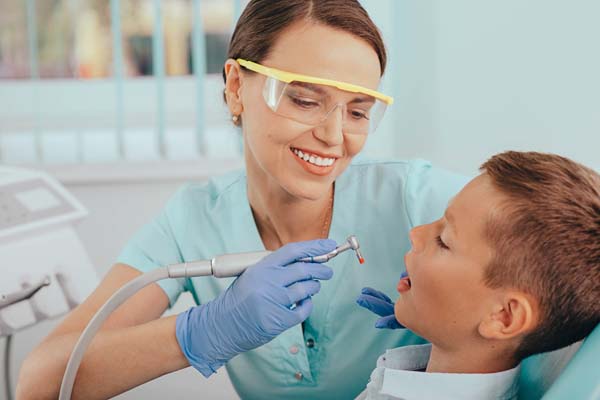
Using digital X-rays in pediatric dentistry is one of the simplest ways to assess children’s teeth for small changes over time and identify disease in the early stages. In addition to being easily accessible on a computer screen, digital X-rays are thought to be safer because these images require less radiation than traditional X-rays. Digital X-rays are additionally not as expensive due to the lower cost of digital imaging.
What are digital X-rays?
Digital X-rays work similarly to a digital camera, whereas traditional X-rays are more comparable to using film. Purchasing film for any type of camera is expensive, and film degrades over time. Using digital imaging combined with X-ray technology enables pediatric dentists to capture real-time images of pediatric patients’ teeth and oral structures and to save copies to be retrieved later on an office computer. Dentists are able to easily show these images to pediatric dentistry patients and parents, and to forward the pictures to co-workers for consultations.
How can digital X-rays be beneficial in pediatric dentistry?
Children are notorious for poor dental habits, such as forgetting to brush teeth before going to bed, which can lead to tooth decay. The simplicity of digital technology is far from the only benefit of digital X-rays in pediatric dental practices. Digital X-rays provide clear resolution and a quick turnaround time to facilitate diagnosis and treatment. Often, these images are used to monitor gum disease, unusual tooth eruption patterns, and frequent tooth decay.
Digital X-rays provide insight into small dental changes
Pediatric dentistry patients have quickly growing bodies, brains, and teeth. It is often difficult to detect hidden cavities and signs of gum irritation in children as it can be in adults. When viewed over time, digital X-rays can highlight the child’s dental health and how specific issues progress. For example, if a child has a history of unusual dental problems such as baby teeth not erupting correctly or gums bleeding, the dentist may want to monitor the child’s oral development with a series of digital X-rays to keep track of the problem while reducing the incidence of radiation exposure.
Digital X-rays are healthier for pediatric patients
According to WebMD, because digital X-rays use less radiation than traditional X-rays, these images are safer for the human body. Even so, radiation adds up over time and can lead to an increased risk of cancer. A pediatric dentist typically uses X-rays to screen at various intervals during the child’s development, but the dentist should only prescribe additional X-rays — even the digital kind — when needed for specific oral health issues.
Conclusion
As with adults, it is good to seek immediate care for pediatric dental problems and maintain a daily oral healthcare routine at home. Dental procedures, including digital X-rays, can often be made fun and child-friendly to ensure that children learn how to care for teeth in a healthy and safe environment. If you are concerned about a child’s dental health, schedule a pediatric dentistry appointment as soon as possible.
Are you considering pediatric dentistry in the Allendale area? Get more information at https://bergencountypediatricdentistry.com.
Check out what others are saying about our dental services on Yelp: Pediatric Dentist in Allendale, NJ.
Related Posts
Parents should focus on cavity prevention tips for the babies as early as possible. Preventing cavities should start at a young age. Bring your babies to a pediatric dentist the moment they start eating solid food. The dentist will then give you advice on how to take care of your kids’ oral and dental health.Cavities…
Pediatric dentists may use sedation to put children at ease during dental procedures. These dentists have the training and certification to administer anesthetics and sedatives. They can use measures like mild sedatives to keep your child calm and comfortable during treatment.Tools like safe sedation enable a kids’ dentist to create a positive experience for your…
The fact is even adults feel anxious when trying something they have never tried before, like dental sedation. Children are no different, and they tend to feel nervous on the first visit to the dentist. For some children, this dental anxiety continues throughout childhood, and it may be worse for more invasive procedures. In this…
If there is one thing parents do not know how to deal with, it is kids toothaches. Not only are you worried about your kids, but they become irritable when they are in pain. The first thing you should do is set an appointment with a pediatric dentist. But while you wait for the schedule,…