Tooth-Colored Kids Dental Crowns
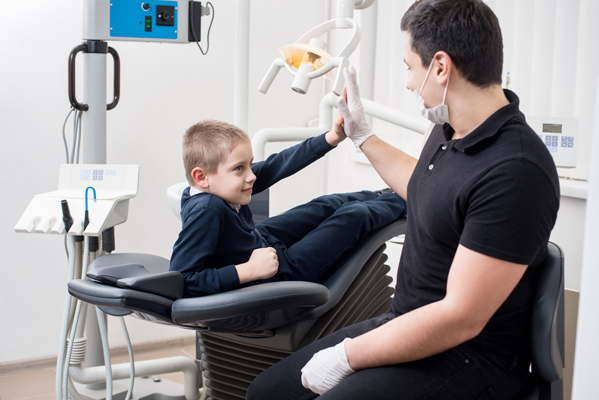
Kids dental crowns offer strong, natural-looking protection for damaged baby teeth while preserving comfort and confidence. Tooth-colored options blend with surrounding enamel, support healthy bite development, and help avoid future problems. Early restoration also holds space for adult teeth, protects nerves, and lowers the risk of infection that could affect overall health. With thoughtful diagnosis and a calm, child-centered approach, a crown can quickly restore function, allowing school, sports, and daily routines to continue without disruption.
When a tooth-colored crown helps a child
A kids dental crown becomes the right choice when decay extends beyond what a simple filling can repair. Cracked, worn, or hypomineralized enamel also benefits from full-coverage support. For children with high cavity risk or enamel defects, a crown protects weak tooth structure through years of chewing. The pediatric dentist focuses on stability, not just appearance. A well-fitted crown withstands grinding forces, shields sensitive areas, and helps guide normal jaw growth. Kids dental crowns also offer predictable outcomes for teeth treated with pulpotomy or nerve therapy, minimizing retreatment and discomfort.
What “tooth-colored” really means
Tooth-colored crowns typically use high-strength composite resin, zirconia, or prefabricated ceramic options designed for pediatric mouths. These materials resist staining and maintain a smooth surface, helping prevent plaque buildup. Shade-matching enhances confidence during conversation, photos, and classroom activities. In many cases, zirconia crowns deliver exceptional durability with a contoured, lifelike shape that supports healthy gum response. Composite strip crowns allow precise customization when enamel defects affect front teeth. By selecting the right material for the tooth location and chewing demands, kids dental crowns balance beauty with everyday resilience.
How the crown appointment works
Clear steps help children feel at ease and ensure a precise result. After a gentle evaluation and necessary X-rays, the dental team explains the plan in age-appropriate terms. Local anesthesia keeps the whole process comfortable. The dentist removes decay, shapes the tooth conservatively, and tries in the crown to confirm fit and contact points. The crown is then bonded or cemented, and the bite is refined for smooth chewing. Most children return to normal activities the same day, and families receive home-care tips that support quick adjustment.
A typical visit may follow this sequence:
- Numbing, tooth preparation, and careful shade selection
- Try-in, bonding or cementation, and bite adjustment
- Polishing, home-care guidance, and follow-up scheduling
Comfort, safety, and longevity
Child-friendly communication, nitrous oxide when appropriate, and painless local techniques reduce nervousness and promote cooperation. Rubber dam isolation or moisture control shields the airway and improves bonding quality. Meticulous fit and smooth margins reduce plaque retention and gum irritation. With routine checkups and cleanings, zirconia and high-quality resin crowns often last until the tooth naturally exfoliates. For children who grind their teeth or play contact sports, a custom mouthguard helps protect the crown and neighboring enamel. Kids dental crowns integrate seamlessly with preventive care, supporting cavity management and long-term oral health.
Caring for the crown at home
Daily habits determine how well a crown performs. Twice-daily brushing with fluoride toothpaste and once-daily interdental cleaning help keep the gums healthy along the margins. Sticky candies, tough jerky, and chewing on ice increase the risk of loosening or chipping; choosing softer textures helps protect the restoration. If mild soreness occurs after placement, an age-appropriate analgesic can help relieve it.
Call the office if the crown feels high, food packs around it, or the gum tissue looks persistently irritated. Regular exams allow professional polishing, bite checks, and reinforcement of personalized hygiene strategies. Kids dental crowns thrive when paired with balanced snacks, topical fluoride as recommended, and a supportive home routine.
Why treating baby teeth matters
Baby teeth hold critical space for permanent teeth and guide speech, chewing patterns, and facial development. Leaving large cavities untreated can lead to infection, pain, missed school days, and difficulty eating. A crown strengthens a compromised tooth structure so children can chew comfortably and focus on learning and play. Protecting baby teeth also reduces the likelihood of early tooth loss that could shift alignment and complicate future orthodontic care. By addressing damage promptly, families invest in both immediate comfort and a smoother transition to a healthy adult smile.
Setting expectations for families
Most crown appointments finish in a single visit, and children adapt quickly to the new contour. Temporary sensitivity may occur as the tooth settles into a balanced bite, but it typically resolves within a day or two. Ongoing prevention — professional cleanings, fluoride, and tailored nutrition guidance — maximizes longevity.
Contact a pediatric dentist
When questions arise, a pediatric dentist offers clear recommendations based on the child’s age, risk level, and growth stage. With the right material, precise fit, and consistent follow-up, kids dental crowns provide a dependable, natural-looking solution that supports function, confidence, and overall oral wellness. For more information or to schedule an appointment, call our office at {{PHONE}}.
To schedule a consultation, please request an appointment on our website at https://bergencountypediatricdentistry.com or call Bergen County Pediatric Dentistry at (201) 312-6937 to arrange an appointment at our Allendale office.
Check out what others are saying about our services on Yelp: Read our Yelp reviews.
Related Posts
A kids dentist, formally known as a pediatric dentist, helps set the foundation for kids oral health. While they are a pillar in setting the trajectory of a young patient's relationship with their oral hygiene and dental visits, they primarily focus on preserving the integrity of the teeth and surrounding structures. Through various methods, a…
Visiting a kids dentist provides numerous benefits for children, especially when they go early and frequently throughout their lives. These dentists see patients ranging from toddlers whose first teeth have just erupted to teenagers ready to graduate to a family dentist.Choosing a kids dentist early in life equips children with the knowledge and habits that…
A kids dentist can prevent, treat, and reverse gum disease. Through comprehensive dental treatments, they can address the bacterial buildup that contributes to the earliest stage of gum disease, also known as gingivitis. Comprehensive gingivitis treatments may involve deep dental cleanings, enhanced oral hygiene, and other approaches. The goal is to effectively treat and reverse…
A kids dental specialist plays an important role in your child’s development. Proper dental care can give your child a strong and lasting foundation for oral health. This dental care provider can educate your child about dental hygiene. Knowing how a kids’ dentist can enhance your child’s oral health can motivate you to bring your…