Types of Pediatric Cavity Treatment
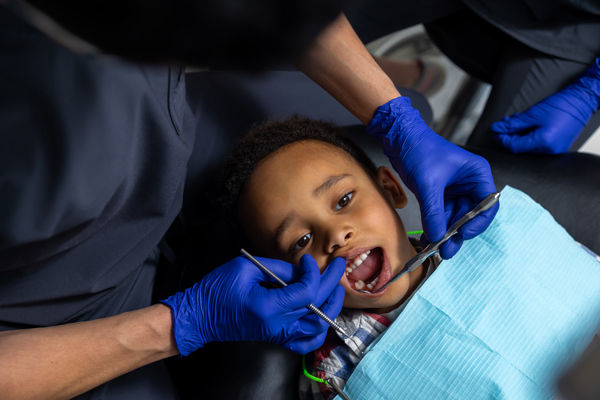
Cavities are common in children as they are still learning how to care for their developing teeth. Pediatric cavity treatment can address decayed teeth quickly and effectively. Not only does this preserve the teeth, but it also prioritizes patient comfort and well-being.
What causes pediatric cavities?
Pediatric cavities typically result from a combination of poor oral hygiene, high-sugar diets, and the natural anatomy of children's teeth. Young children are highly prone to tooth decay due to thinner enamel and developing oral hygiene skills. Bacteria feed on sugars left behind from food and drinks, producing acids that erode the enamel and create cavities over time. Inconsistent brushing, skipping flossing, and infrequent dental visits further increase the risk of decay. Other contributing risk factors include genetic predisposition, dry mouth, and behaviors such as prolonged bottle feeding or frequent snacking.
Pediatric cavity treatments
Pediatric dentists offer several safe, effective treatments for managing and restoring decayed teeth in children. The choice of treatment depends on the severity and location of the cavity, as well as how old the patient is. Through prompt treatment, dentists strive to relieve discomfort and prevent further complications that could impact permanent teeth. Explore common pediatric cavity treatments below.
Dental fillings and crowns
Dental fillings are among the most common pediatric cavity treatments. When a pediatric dentist catches a cavity early, they can remove the decayed portion and fill it with a tooth-colored composite resin or another filling material (like silver amalgam). Fillings are best for small to moderate cavities and can be done in a single dental visit.
However, for more extensive decay, especially in primary molars, a dentist will likely recommend a dental crown made for children. These crowns are designed to cover and protect the entire tooth, restoring function and preventing further damage. Crowns are particularly useful when a cavity has compromised the tooth structure to the point where a filling would not be sufficient.
Pulpotomy (baby root canal)
In cases where decay has reached the inner pulp of a baby tooth, a pulpotomy (or baby root canal) may be necessary. During this procedure, the pediatric dentist removes the infected or damaged pulp tissue while preserving the healthy portion of the tooth. A rubberlike material is placed in the pulp chamber, and the tooth is typically capped with a crown to ensure long-term protection.
A pulpotomy helps maintain the baby tooth’s integrity until it is ready to fall out naturally. Preserving baby teeth is important for guiding the proper eruption and alignment of permanent teeth. This procedure also helps eliminate infection and discomfort, allowing the child to eat, speak, and smile comfortably as they did before.
Tooth extractions
A severely decayed baby tooth damaged beyond repair will most likely require extraction. This procedure is typically reserved for when other restorative options are not possible. Pediatric dentists ensure the process is as comfortable as possible using gentle techniques and local anesthesia. Afterward, a space maintainer may be recommended to prevent neighboring teeth from shifting. Maintaining space in the dental arch lowers the chances of future orthodontic issues.
Pediatric cavity prevention
Prevention plays a central role in pediatric oral health. Regular dental checkups and professional cleanings from a pediatric dentist help identify early signs of decay and allow for timely intervention. Getting a cleaning every six months can better maintain oral health. It also allows the dentist to monitor the development of primary and permanent teeth.
For older children, dentists may recommend fluoride treatments to strengthen enamel and make teeth more resistant to acid attacks from bacteria. They can apply fluoride varnish quickly, which is particularly helpful for children at a higher risk for cavities.
Other patients may benefit from dental sealants, another powerful preventive measure. These protective coatings are applied to the chewing surfaces of the back teeth, which have grooves and pits more likely to trap food and bacteria. Sealants can last several years and are effective in reducing the incidence of cavities in molars and premolars.
Dentists can also discuss how healthy eating habits can prevent cavity prevention. To start, limiting sugary snacks and beverages, encouraging water consumption, and choosing nutrient-rich foods can greatly reduce the conditions that lead to tooth decay. Education in terms of proper brushing and flossing techniques further helps reinforce daily oral hygiene habits from an early age.
Contact us for pediatric cavity treatment
The sooner a patient gets pediatric cavity treatment, the less invasive and more effective it tends to be. Contact our Allendale office today to learn more about your child’s treatment options for a cavity. Whether it is a filling or extraction, our team can help.
Request an appointment here: https://bergencountypediatricdentistry.com or call Bergen County Pediatric Dentistry at (201) 312-6937 for an appointment in our Allendale office.
Check out what others are saying about our services on Yelp: Read our Yelp reviews.
Related Posts
Visiting a kids dentist provides numerous benefits for children, especially when they go early and frequently throughout their lives. These dentists see patients ranging from toddlers whose first teeth have just erupted to teenagers ready to graduate to a family dentist.Choosing a kids dentist early in life equips children with the knowledge and habits that…
A kids dentist can prevent, treat, and reverse gum disease. Through comprehensive dental treatments, they can address the bacterial buildup that contributes to the earliest stage of gum disease, also known as gingivitis. Comprehensive gingivitis treatments may involve deep dental cleanings, enhanced oral hygiene, and other approaches. The goal is to effectively treat and reverse…
A kids dental specialist plays an important role in your child’s development. Proper dental care can give your child a strong and lasting foundation for oral health. This dental care provider can educate your child about dental hygiene. Knowing how a kids’ dentist can enhance your child’s oral health can motivate you to bring your…
Special needs dentistry focuses on meeting the unique requirements of patients with physical, developmental, or behavioral conditions. By providing compassionate, tailored care, we can ensure that every patient can receive high-quality dental services in an environment that fosters trust and understanding. Special needs dentistry can promote lifelong oral health and enhance overall well-being with the…