What Parents Need To Know about an Emergency Pediatric Dentist
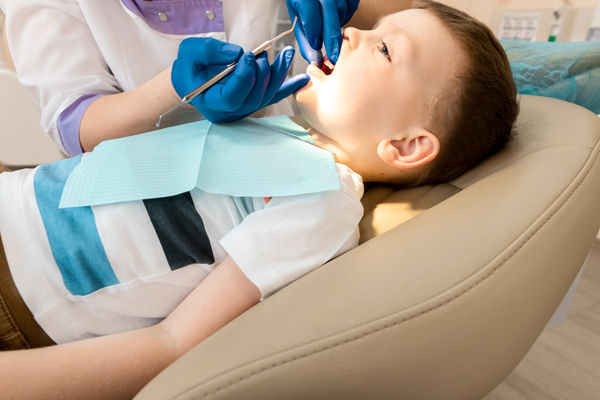
An emergency pediatric dentist is a parent’s go-to resource when unexpected dental issues arise. From accidents to sudden pain, these dental providers offer specialized care to restore children’s oral health and comfort quickly. Understanding their role and the treatments they offer empowers parents to handle dental emergencies with confidence, ensuring prompt, compassionate care for every young smile.
The role of an emergency pediatric dentist
Access to an emergency pediatric dentist is critical for timely and effective interventions for accidents or other dental crises. These dentists can handle various non-life-threatening dental emergencies, such as chipped teeth, with the care and patience required to work with young patients. This includes accommodating the physical and emotional needs of children, as well as creating a comforting environment to minimize fear or anxiety during treatment. Their ultimate goal is to treat the issue promptly to relieve pain and prevent long-term complications, such as infection or tooth loss.
What an emergency pediatric dentist can treat
Non-life-threatening dental emergencies generally stem from a fall, sports injury, an accident while playing, or an underlying oral health problem, among others. Here are the most common dental crises that an emergency pediatric dentist can treat:
Broken and chipped teeth
A broken or chipped tooth not only affects the smile's appearance but can also expose the tooth's inner layers to bacteria, increasing the risk of infection. Emergency pediatric dentists can restore damaged teeth using dental filling, crowns, or other treatments, depending on the severity of the injury. Early intervention helps preserve the tooth's function and appearance.
Toothaches and pains
Toothaches in children are often caused by cavities, infections, or gum issues. Persistent pain can disrupt daily activities, making it difficult for children to eat, sleep, or concentrate. Emergency pediatric dentists will diagnose the root cause of the pain and provide appropriate treatment; this is typically a filling, crown, or antibiotic medication to address infections. Managing toothaches promptly prevents the condition from worsening and restores patient comfort.
Knocked out teeth
Emergency pediatric dentists provide care for both primary and permanent teeth dislodged due to trauma. For primary teeth, the focus is on ensuring that the surrounding tissues are healthy and that the permanent tooth beneath is unaffected. On the other hand, reimplantation and stabilization are often the priority for permanent teeth.
Soft tissue injuries
Emergency pediatric dentists manage soft tissue injuries to the gums, lips, tongue, or cheeks by cleaning the wound, controlling bleeding, and often suturing. They can also check for and treat underlying damage to teeth or the jawbone. Seeing a dentist as soon as possible for these injuries can minimize the risk of infection and promote faster healing.
Lost dental fillings, crowns, and spacers
Lost dental restorations, such as fillings, crowns, or spacers, can expose teeth to further damage or discomfort. Emergency pediatric dentists can replace or repair these restorations to protect the teeth and maintain proper oral function. This is particularly important for spacers, as they are designed to preserve space for permanent teeth in growing children.
What to do in a pediatric dental emergency
Knowing how to respond to a dental emergency can make a huge difference in the patient’s treatment outcome. Remaining calm and taking the appropriate steps can alleviate discomfort and ensure the child receives timely care. Here are the first aid basics for:
- Knocked-out teeth. Rinse the tooth gently with water, then place it back in the socket (if possible) or store it in a container with milk or saliva.
- Broken or chipped teeth. Collect any fragments, rinse the child’s mouth with warm water, and apply a cold compress to reduce inflammation.
- Soft tissue injuries. Clean the area with warm water, use a cold compress to reduce swelling, and apply gentle pressure to stop the bleeding.
Next, contact an emergency pediatric dentist for further instructions. Describing the situation over the phone can help determine whether immediate care is required or if at-home management is sufficient until the next available appointment.
Be prepared: Find an emergency pediatric dentist ahead of time
Preparation is key to managing dental emergencies effectively. Establishing care with an emergency pediatric dentist before an emergency occurs ensures that help is readily available when needed. It is recommended that parents research local pediatric dental practices that offer emergency services, noting their hours of operation and contact information. Having this information on hand reduces stress and allows for quick action in urgent situations.
Reach out to our team today
An emergency pediatric dentist is a trusted partner in protecting children’s oral health during unexpected situations. Prompt and compassionate care can prevent complications and support a child’s overall well-being. Contact Bergen County Pediatric Dentistry for immediate assistance or to learn more about our services.
Request an appointment here: https://bergencountypediatricdentistry.com or call Bergen County Pediatric Dentistry at (201) 312-6937 for an appointment in our Allendale office.
Check out what others are saying about our services on Yelp: Read our Yelp reviews.
Related Posts
Pediatric dentists may use sedation to put children at ease during dental procedures. These dentists have the training and certification to administer anesthetics and sedatives. They can use measures like mild sedatives to keep your child calm and comfortable during treatment.Tools like safe sedation enable a kids’ dentist to create a positive experience for your…
Dental sealants are one of the most popular and effective ways a pediatric dentist can prevent cavities and tooth sensitivity, but they are not for every tooth. This article will discuss dental sealants, how they work, and which teeth they serve best.The biting surfaces of front teeth are narrow, with nooks for bacteria to nest…
The fact is even adults feel anxious when trying something they have never tried before, like dental sedation. Children are no different, and they tend to feel nervous on the first visit to the dentist. For some children, this dental anxiety continues throughout childhood, and it may be worse for more invasive procedures. In this…
Dental sealants safeguard your child’s back teeth against tooth decay and infections. Although the process is painless, children can still experience some anxiety once they know they must endure a procedure. The following article will outline what parents can expect their child to experience during the dental sealant process to help calm them before the…