What Qualifies as a Pediatric Dental Emergency?
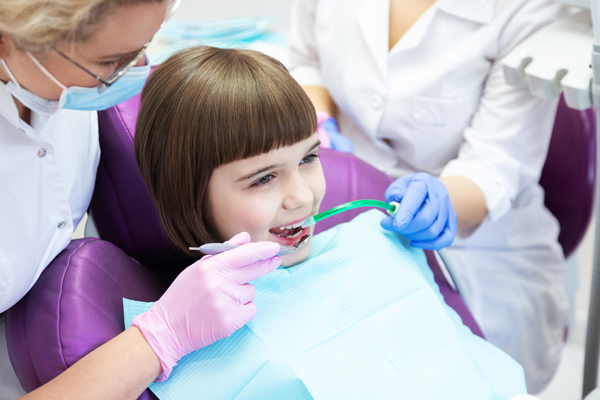
A dental emergency is any condition that compromises the tooth's structure or causes persistent oral bleeding or severe pain, and it needs to be treated by an emergency pediatric dentist.
Common causes of dental emergencies
A pediatric dental emergency can sometimes occur despite the parents' best efforts. The following are common emergencies that can affect children.
Toothache
A toothache can affect children of all age groups and usually has an underlying cause. Common causes of tooth pain include tooth decay, dental trauma, tooth fractures, and wisdom teeth eruption in teenagers. Applying a cold compress can help relieve the pain temporarily, but the dentist will need to check the tooth as soon as possible.
Knocked-out tooth
If a child's tooth gets knocked out completely, parents need to contact the pediatric dental specialist immediately because time plays a major role in the chances of saving and reimplanting the tooth. The dentist will typically not restore a knocked-out baby tooth, though, because reimplanting it may harm the tooth bud and consequently, the erupting permanent tooth.
Unless the damage is severe, the emergency pediatric dentist will always try to restore a knocked-out adult tooth. The chances of successful reimplantation are higher if done within an hour of the incident. The dentist will use a splint to keep the tooth in place until it regains its hold in the jaw.
Dental intrusion
There are cases where dental trauma might force a tooth farther into the jawbone. The force is often significant enough that the tooth ligament and socket get damaged. If a dental intrusion occurs, a pediatric dental specialist should be called immediately. The dental professional will check the nature and depth of the intrusion and decide the next steps to take.
Tooth displacement
Tooth displacement can be described as a luxation, extrusion, or lateral displacement, depending on the tooth's angle after the incident. The tooth is luxated if it stays in the socket and the pulp is intact. However, the tooth's protrusion angle is likely unnatural, and there may be a fracture in the supporting jawbone.
Extrusion is when the tooth gets partially dislodged from its socket. In children, primary tooth extrusions usually resolve on their own without intervention. However, for permanent teeth, treatment is required to save the tooth and avoid infection.
Broken tooth
The tooth crown is the largest portion of the tooth and the most vulnerable to damage. The dentist will examine the extent of the fracture with a dental X-ray. If the tooth's color changes, it means the inner portion of the tooth (pulp) is also affected. Minor crown fractures can be repaired with composite resin or sealants, whereas severe fractures will need pulp treatment.
Root fracture
A root fracture is a result of direct trauma and is not visible to the naked eye. If the dentist suspects a root fracture, they will take dental X-rays. The severity of the fracture, the tooth's location, and the extent of discomfort will determine the next step. In worst cases, the tooth may need to be extracted.
Dental emergencies: Recognizing the signs
Every parent should know what to do in the event of a dental emergency. That said, most kids will not have to deal with serious dental issues as they grow older. Most difficulties will be caught during checkups or dealt with as soon as the dental office opens. These problems are more frequent and include dental decay and minor tooth chips that do not hurt.
When dealing with young children, it may be difficult for parents to distinguish between major and minor issues. Children often lack the language skills necessary to articulate their discomfort. Bleeding, tooth damage, and pain are the most obvious indicators of a dental emergency.
However, while bleeding is never a good sign, it is not always an emergency dental issue. Problems arise when an injury continues to bleed even after many minutes of intervention. Blood loss may indicate a broken or missing tooth, for example. Whenever tooth loss or damage occurs, do not wait to make an appointment with the dentist. The best way to save a tooth is to have it fixed immediately. Another critical dental issue is an infection. A tooth abscess may cause swelling, discomfort, and sensitivity.
Protecting the child's dental health
Preventative dental treatment is the ideal method to avoid dental crises in children. Having clean and healthy teeth does more than just prevent foul breath. It can also prevent serious dental problems, such as advanced decay or thin enamel. In addition to seeing a dentist regularly, all family members should use proper safety equipment whenever they engage in high-risk activities like football, skating, and wrestling.
In conclusion
When faced with a pediatric dental emergency, it is important to stay as calm as possible. Reach out to the emergency pediatric dentist immediately for help.
Request an appointment here: https://bergencountypediatricdentistry.com or call Bergen County Pediatric Dentistry at (201) 312-6937 for an appointment in our Allendale office.
Check out what others are saying about our dental services on Yelp: Emergency Pediatric Dentist in Allendale, NJ.
Related Posts
A kids dentist, formally known as a pediatric dentist, helps set the foundation for kids oral health. While they are a pillar in setting the trajectory of a young patient's relationship with their oral hygiene and dental visits, they primarily focus on preserving the integrity of the teeth and surrounding structures. Through various methods, a…
Visiting a kids dentist provides numerous benefits for children, especially when they go early and frequently throughout their lives. These dentists see patients ranging from toddlers whose first teeth have just erupted to teenagers ready to graduate to a family dentist.Choosing a kids dentist early in life equips children with the knowledge and habits that…
A kids dentist can prevent, treat, and reverse gum disease. Through comprehensive dental treatments, they can address the bacterial buildup that contributes to the earliest stage of gum disease, also known as gingivitis. Comprehensive gingivitis treatments may involve deep dental cleanings, enhanced oral hygiene, and other approaches. The goal is to effectively treat and reverse…
A kids dental specialist plays an important role in your child’s development. Proper dental care can give your child a strong and lasting foundation for oral health. This dental care provider can educate your child about dental hygiene. Knowing how a kids’ dentist can enhance your child’s oral health can motivate you to bring your…