What To Know About Dental Crowns for Kids
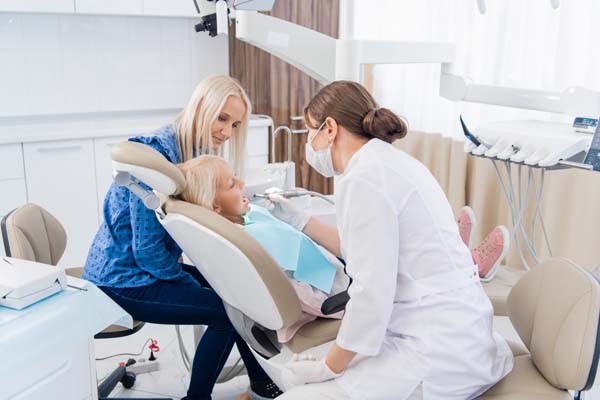
Dental crowns for kids are a common solution for children with cavities, broken teeth, or other dental problems. They are useful in stopping additional deterioration to the tooth and restoring its function and appearance. As a parent, there are a few things you need to know before deciding whether to have dental crowns placed on your child's teeth. This article covers different types of crowns, the crowning process, and aftercare instructions involved with dental crowns for kids.
An overview of dental crowns for kids
Dental crowns for kids come in a variety of materials and styles. Crowns made of stainless steel are the most common option for restoring baby teeth. They may also be utilized for permanent teeth until a more permanent solution is possible. For children who need a more esthetically-pleasing restoration, tooth-colored ceramic crowns are available. Crowns like this may be color-matched to a child's natural teeth, so they seem completely natural.
Dental crown procedure
It usually takes two appointments to complete the procedure of placing dental crowns for kids. During the first consultation, the dentist will remove any decay or damage, then shape the tooth so the crown may be securely placed over it. To achieve a good fit, the dental professional will take an impression of the affected tooth and adjacent teeth. The lab will use the impression to make a custom dental crown. The dentist will use dental cement to firmly attach the crown to the tooth during the second session.
Maintaining dental crowns for kids
It is vital to treat dental crowns with care to extend their useful life. Good dental hygiene involves routines like brushing and flossing the teeth. To protect the crown from damage or displacement, individuals should also avoid eating hard or sticky foods. It is advisable to protect the child's teeth and crowns by getting them fitted for a mouthguard if they play any contact sports.
When to get dental crowns for kids
If a child's tooth has been severely decayed or damaged, a filling will likely not be enough to fix the problem. In certain cases, like when a kid has had a root canal or is at high risk for tooth decay, they may be necessary. The dentist will be the best person to advise parents on whether or not dental crowns are necessary for their child's teeth.
Risks
There is always a chance of complications with a dental operation, and dental crowns are no exception. The crown may become loose or fall off in very unusual circumstances, necessitating a visit to the dentist to secure it back in place. Infection is another potential problem, but it should be uncommon with regular upkeep. Get in touch with the child's dentist immediately if the dental crown causes them any discomfort, sensitivity, or other problems.
The bottom line
Dental crowns for kids are effective for decayed, damaged, or otherwise problematic teeth. It is crucial that you learn about the many crown options, the placement process, and aftercare instructions. If you are thinking of getting dental crowns for your kid, it is best to consult with the child's dentist first. Dental crowns for kids may protect your child's teeth from decay and strengthen them so they can last many years if cared for properly.
Request an appointment here: https://bergencountypediatricdentistry.com or call Bergen County Pediatric Dentistry at (201) 312-6937 for an appointment in our Allendale office.
Check out what others are saying about our dental services on Yelp: Dental Crowns and Dental Bridges in Allendale, NJ.
Related Posts
A kids dentist can prevent, treat, and reverse gum disease. Through comprehensive dental treatments, they can address the bacterial buildup that contributes to the earliest stage of gum disease, also known as gingivitis. Comprehensive gingivitis treatments may involve deep dental cleanings, enhanced oral hygiene, and other approaches. The goal is to effectively treat and reverse…
A kids dental specialist plays an important role in your child’s development. Proper dental care can give your child a strong and lasting foundation for oral health. This dental care provider can educate your child about dental hygiene. Knowing how a kids’ dentist can enhance your child’s oral health can motivate you to bring your…
Special needs dentistry focuses on meeting the unique requirements of patients with physical, developmental, or behavioral conditions. By providing compassionate, tailored care, we can ensure that every patient can receive high-quality dental services in an environment that fosters trust and understanding. Special needs dentistry can promote lifelong oral health and enhance overall well-being with the…
Asking your kids dentist how to keep your child’s teeth and gums healthy can be rewarding. Children go through many changes regarding dental health during the formative years. It is important to understand what strategies will help your child keep up with these changes. Here are some effective tips from your pediatric dentist in making…