When a Pediatric Root Canal May Be Necessary
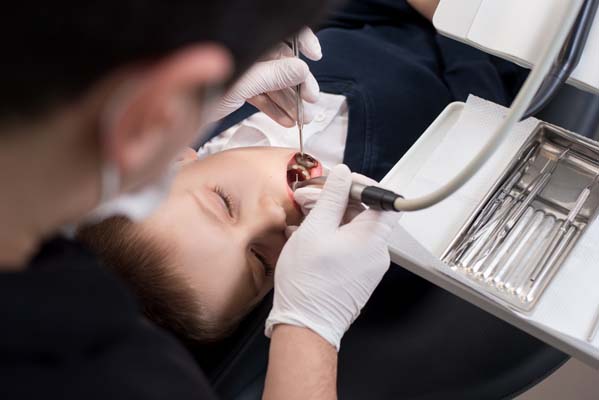
A pediatric root canal is sometimes necessary to prevent the loss of a decayed or damaged baby tooth. Although the goal is to prevent dental cavities and tooth infections, they can still develop, especially in young children (who, on average, are more prone to cavities than teens and adults). It is essential to quickly detect the signs of a cavity or tooth infection that will require a pediatric root canal.
Signs and symptoms that indicate a need for a pediatric root canal
Adults usually know when an oral health concern is serious and requires prompt care. However, children may be unable to detect and communicate the signs effectively. This means the parent is responsible for checking for the most common signs and symptoms and seeking pediatric dental care if they are present. Here are the most common symptoms and signs that indicate a need for a pediatric root canal.
Visible signs of a deep dental cavity
Perhaps the most obvious sign of a deep dental cavity is a visible hole in the tooth that is notably large. The child may be able to feel the cavity with their tongue or see it while inspecting their teeth in the mirror. That said, it can be challenging to detect cavities, especially those in the hard-to-reach areas of the teeth. For this reason, all children should visit the pediatric dentist every four to six months for a check-up. The dentist can check all areas of the teeth and detect any cavities before they worsen.
Severe tooth pain and sensitivity
Visiting the pediatric dentist whenever a child reports tooth discomfort is vital. A tooth that requires a root canal procedure is likely to cause severe discomfort. This is especially the case if it has become infected. In this case, the pain may be constant and affect the child’s ability to function. If there is only a cavity and no infection, it may only hurt while eating or when exposed to hot or cold temperatures.
Swollen and painful gums
Deep dental cavities and tooth infections often impact the gums. Specifically, they may become swollen, tender, and discolored due to an infection inside of a tooth’s root. This is a serious symptom, as a severe tooth infection that is not promptly treated could spread to other parts of the mouth and body and cause a more severe health concern. Also, swollen and painful gums that result from a deep dental cavity indicate that the tooth may not last long without a pediatric root canal procedure.
Contact our pediatric dentistry today to schedule a consultation
Our pediatric dental team can diagnose and effectively treat cavities and tooth infections that require a pediatric root canal to resolve. If your child experiences any of the aforementioned symptoms or signs, we encourage you to call us today and schedule a time for a convenient consultation visit for your child. We would be happy to help!
Request an appointment here: https://bergencountypediatricdentistry.com or call Bergen County Pediatric Dentistry at (201) 312-6937 for an appointment in our Allendale office.
Check out what others are saying about our dental services on Yelp: Pediatric Dentist in Allendale, NJ.
Related Posts
When parents hear that the kids need to have a root canal, their minds begin to race. Why do the kids need this procedure? Isn’t the root canal painful? Is there no other way to save the tooth? Why did it happen in the first place? Parents might have to look at the family’s eating…
You will be surprised how early orthodontic treatment, including teeth straightening, can solve childhood dental problems. Crooked teeth, overcrowding, and tooth decay are some of the issues children face early in life. These days, parents have finally realized the importance of proper dental health. They know how it can affect the kids’ well-being.Teeth straightening is…
A pediatric dental emergency often triggers panic in the children themselves and some parents. Keeping your peace of mind is important during this crisis. Comforting the child is a priority and can make the trip to the pediatric dentist easier. Here are the details if you want to know more about the common kids' dental…
Every parent dreads making an appointment for their little ones' first dental visit. None of us like to go to the dentist, no matter our age. However, look at it from their point of view. They don't know anything about the dentist, and they will feel the emotions that you show.As a parent, you want…