When Is a Baby Root Canal Necessary?
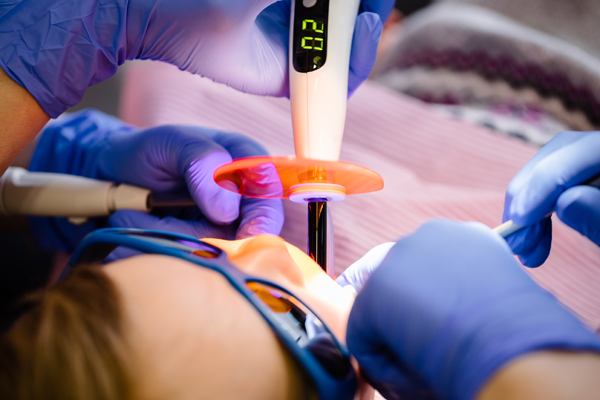
A baby root canal might be needed to save a child's tooth if it is infected or damaged. While the procedure may be anxiety-inducing for parents, it is important to know that pediatric dentists would not recommend it unless it was absolutely necessary. Additionally, the current technology allows pediatric dentists to perform baby root canals with little to no pain involved. Anesthetics and pain medications are used to offset any potential discomfort.
An overview of baby root canal procedures
Baby teeth might be temporary, but that does not make them any less important. They hold space for permanent teeth, which need to properly erupt in order for good oral health to be maintained. Because of their importance, it is necessary to understand when a baby root canal may be needed to salvage a tooth that is in bad shape.
When wondering whether a child needs a baby root canal, it is good to keep an eye out for the following signs:
- Fever
- Persistent toothaches
- A decayed tooth
- A severely broken tooth
- Pus coming out of a tooth
In short, a baby root canal will be needed if the child's tooth is not repairable through simpler means, such as a dental filling procedure. When baby teeth become infected or severely damaged, they are at risk of falling out, which can lead to multiple issues. It can result in other teeth moving out of their proper alignment and it can cause the permanent tooth to erupt abnormally.
Baby teeth falling out prematurely can also affect a child's speech. Teeth are used to pronounce certain words and not having a complete set can negatively impact a child's development. Lost baby teeth also affect a child's ability to chew properly. This can lead to nutritional deficiencies. A baby root canal helps to prevent tooth loss, as it restores the entire thing, making it strong and rehabilitated.
A baby root canal procedure is pretty similar to an adult root canal. The goal is to remove the infected parts of the tooth and restore it back to its natural function and appearance.
During a root canal, the pediatric dentist will administer a local anesthetic around the affected tooth. This keeps the child numb during the treatment. A hole is made with a dental drill and different-sized files are used to remove the soft tissues in the pulp chamber. Medication is applied to the area, then it is sealed off. The tooth might be fitted with a crown to protect it until it is ready to erupt. The entire process should typically take less than 60 minutes and recovery is minimal.
FAQs about baby root canals
Think your child needs a root canal? Here are the answers to some of the questions you may have:
Why is it necessary to treat an infection in the pulp of a baby tooth?
If left unaddressed, an infection in the pulp of a baby tooth can lead to pain, abscesses, and damage to the permanent teeth. It can also expand to other parts of the body, like the brain, where it can be life-threatening.
How is a baby root canal performed?
A baby root canal is performed by removing the infected pulp from the tooth and then filling the tooth with a material called gutta-percha.
Will my child experience any discomfort after the procedure?
Some children may experience mild discomfort after the procedure. This can generally be managed with over-the-counter pain medication.
How long will the baby tooth last after a root canal?
A baby tooth that has had a root canal will typically last until it is ready to fall out on its own. However, it is vital to keep up with regular dental checkups and cleanings to ensure that the tooth remains healthy.
Will my child need a crown after a baby root canal?
Sometimes, a child may need a crown after a baby root canal. This is typically done to protect the tooth from further damage and improve its appearance.
Are there any risks associated with baby root canals?
There are very few risks associated with baby root canals. However, as with any dental procedure, there is always a small risk of infection.
The bottom line
Contact our dental office today if your child has a damaged or infected tooth. They can be evaluated by a pediatric dentist to find out whether a baby root canal is a good option.
Request an appointment here: https://bergencountypediatricdentistry.com or call Bergen County Pediatric Dentistry at (201) 312-6937 for an appointment in our Allendale office.
Check out what others are saying about our services on Yelp: Read our Yelp reviews.
Related Posts
A kids dentist can prevent, treat, and reverse gum disease. Through comprehensive dental treatments, they can address the bacterial buildup that contributes to the earliest stage of gum disease, also known as gingivitis. Comprehensive gingivitis treatments may involve deep dental cleanings, enhanced oral hygiene, and other approaches. The goal is to effectively treat and reverse…
A kids dental specialist plays an important role in your child’s development. Proper dental care can give your child a strong and lasting foundation for oral health. This dental care provider can educate your child about dental hygiene. Knowing how a kids’ dentist can enhance your child’s oral health can motivate you to bring your…
Special needs dentistry focuses on meeting the unique requirements of patients with physical, developmental, or behavioral conditions. By providing compassionate, tailored care, we can ensure that every patient can receive high-quality dental services in an environment that fosters trust and understanding. Special needs dentistry can promote lifelong oral health and enhance overall well-being with the…
Asking your kids dentist how to keep your child’s teeth and gums healthy can be rewarding. Children go through many changes regarding dental health during the formative years. It is important to understand what strategies will help your child keep up with these changes. Here are some effective tips from your pediatric dentist in making…